
How Neighborhood Centers Help Fill Food Gaps
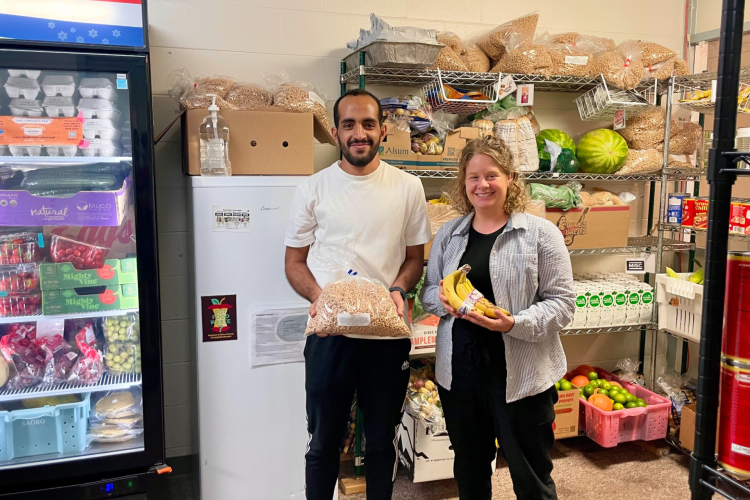
People pose with food at the Neighborhood House Food Pantry
Image credit: Neighborhood House

The City of Madison’s neighborhood centers are important hubs of support for the communities they serve. Not only do they provide meeting spaces, youth programming, and child care, they also play an essential role in reducing food insecurity across Madison. 

Neighborhood centers that receive funding from the City of Madison are required to either operate a food pantry on-site or work with a food pantry in the area. This helps increase food access for households in dozens of places across the city, and strengthens community connections by providing consistent, dignified access to healthy groceries and other essential household items.

Bags of donated groceries at Rooted Wisconsin
Image credit: Rooted Wisconsin

People know they can come and we are not going to ask for a bunch of info, it is safe, and we will let them pick what they want.

Hedi Rudd, Rooted Wisconsin

In the past year, several neighborhood centers have reported a significant increase in the number of people using their pantries as more people struggle with the effects of inflation and high costs at the grocery store. The Allied Pantry at the Boys and Girls Clubs of Dane County, for example, serves about 450 households every month and has served 10,800 different people in the last year.

The pantry has continued to see substantial growth over the past year, with a greater demand for food and volunteers.

Aubree Watkins, Allied Family Boys & Girls Club

Increased costs have affected everyone in Madison, but they are especially hard on those with low or limited incomes, including Madison’s older adults.

There are a few seniors that have a limited income so they rely on our food pantry to get them though the month. One senior said, 'Because of your food pantries, I can actually eat a meal every day.'

Bridge Lake Point Waunona Neighborhood Center

Neighborhood centers receive up to $100,000 each year from the Community Development Division to support core operations. One of the requirements for that funding is to operate or maintain a connection to these food pantries, which allows the centers to develop sustainable, culturally-responsive food access programs that align with the specific needs of their residents. Not only do these pantries and programs help fill gaps in food access as grocery prices remain high, but residents have access to the other services neighborhood centers provide as well.

The pantry has allowed a single mother of six children to be able to provide food security for her children. In addition to (help with) food security through community partners available during pantry times, this family is able to have childcare while she shops and health and wellness resources from the community available to her.

Aubree Watkins, Allied Family Boys & Girls Club

By reducing hunger and removing barriers to essential needs, families are better positioned to focus on employment, education, housing stability, and community participation. Through ongoing operating funding, technical assistance, and partnership, the Community Development Division enables these neighborhood centers to develop programs that align with resident needs and community-driven solutions to build strong, resilient, and connected communities.

The City of Madison’s Community Development Division works every day to make sure everyone who lives in Madison thrives and reaches their highest potential. Funding from the Community Development Division supports hundreds of programs from partners across the city, but this support is more than a line item on a budget. It has real-life, everyday impacts for Madisonians.

To highlight some of those significant impacts Community Development funding has on our community, we will be sharing stories every month on the Community Development Division’s website.

Additional Information and Resources

Was this page helpful to you? * required