
Building Community in Affordable Housing
Each year, the Community Development Division issues a competitive Request for Proposals to offer approximately $10 million in support to developers that aim to build affordable housing to serve Madison’s most vulnerable populations. In 2025, a total of 425 future rental homes received City subsidies, 260 of which will offer permanent affordability to those with qualified incomes.
One of the preferences outlined in the Affordable Rental Housing Development: Tax Credit RFP is that applicants dedicate space on-site to host support services for residents. In scoring proposals through this RFP, the City awards points for having dedicated space for support services, for dedicating funding for support services or having full-time employees on site, and for having a strong Supportive Service Plan, among other factors.
Recently, Community Development Division staff visited Avenue Square Apartments on the first anniversary of its opening after the City had previously awarded the project $1.6 million in Affordable Housing Fund dollars in 2021. The property houses and includes supportive services for individuals, families, and veterans that have previously experienced homelessness.
During the visit, several residents stopped City staff to talk about the opportunities available in their new community that they didn’t have access to before, like services and other community-building activities led by their property manager. One formerly homeless resident told City staff that she loved her “apartment mansion” and offered praise to property manager Deb Kuhn-Watson.
For me, it's a reminder that kindness, consistency, follow-through, and treating others with respect can have a big impact on how safe and supported someone feels, and that makes the work feel meaningful beyond paperwork and policies.
Deb Kuhn-Watson, property manager
The most important piece is listening. I might have ideas about what I think would be helpful, but the best direction comes from working collaboratively and getting input directly from residents, partner programs, and my management company. That feedback helps guide what we offer onsite and ensures that services are practical and actually meet people where they are.
Deb Kuhn-Watson, property manager
Kuhn-Watson says having residents shape the activities and services the property offers not only leads to better programming, but it also builds engagement and a stronger sense of community among residents.
In the first year since opening, many events have focused on residents’ well-being and stability. For example, they invited NewBridge, a local provider of services for older adults, to provide free on-site cognitive screenings for seniors; they held a "bike and walker tune-up" event for residents; and organized a Career Focus Month that included resume writing support, job application assistance, and interview preparation tips. That support has continued beyond the initial events, with ongoing one-on-one assistance available to residents as needed.
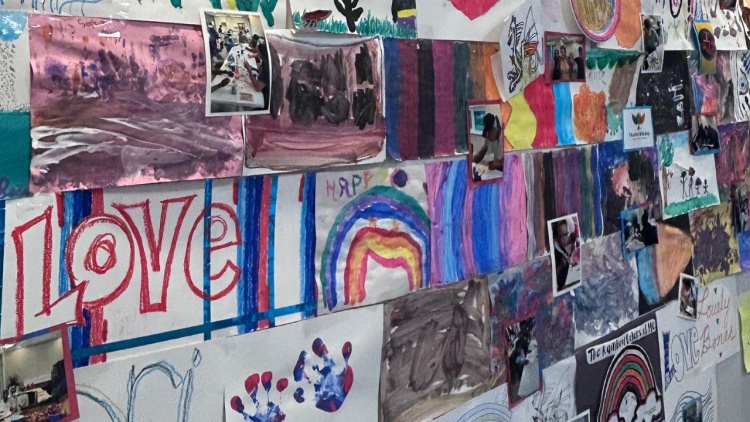
Tenants have also organized their own events to further foster community and social connection, including weekly art classes, monthly bingo gatherings (offering small household and pantry items as prizes), and more.

All of these activities are available to tenants at no cost to reduce barriers to participation. They also align with Housing First principles that prioritize stability, dignity, and choice. Kuhn-Watson says the events have done much to help strengthen trust between residents and staff and support a collaborative approach to addressing challenges.
I've found that when I lead with respect and consistency, I tend to get more honesty and respect in return. It creates a space where people feel comfortable being open, working through things, and moving forward. That's the kind of community I personally care about building.
Deb Kuhn-Watson, property manager