
Creating Cultural Connections and Community in a New Home

There are many things that are difficult about moving to a new city. If that new city is also in a new country that is half a world away from home, it can be even more difficult.
Since 2019, the African Center for Community Development has worked to help African immigrants and refugees adjust to life in Madison and Dane County while preserving their culture and history and setting them up for long-term stability and success.
That support is a big need in the community, as the households they serve face a wide range of interconnected challenges in adjusting to life in a new place. For example: limited English proficiency can provide barriers to education and employment opportunities. Those barriers to opportunity can lead to income challenges. Those income challenges, in turn, can limit options for childcare, transportation, and housing.
Madison's African community is diverse in and of itself, with dozens of different countries and cultures represented and languages spoken. There are an estimated 10,000 African immigrant households in the greater Madison area. The African Center for Community Development helps connect these communities together, bridge gaps, and connect residents to services they may not know about in a way that is easy for them to understand.

The City of Madison's Community Development Division has helped support that mission by providing funding for a number of initiatives over the years, including older adult services, crisis intervention and prevention, and emergency rental assistance, among other programs.
One of the programs currently receiving funding from the City of Madison's Community Development Division is the Bantaba Family Support Program, which was recently awarded $25,000 through the 2025 Crisis Intervention and Prevention RFP.
The program works to reduce barriers in accessing information on sensitive topics by communicating in a way that is tailored to the cultural values, languages, and lived experiences unique to African immigrants that other local organizations may struggle to provide.
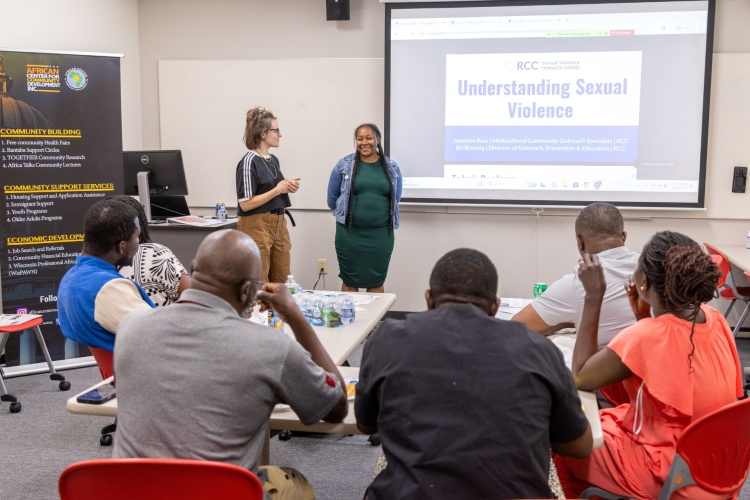
Topics such as gender equity, healthy masculinity, violence prevention, and communication are often under-discussed due to stigma or lack of safe forums. Bantaba creates a trusted space where these conversations can happen openly. Participants value having a program that reflects their cultural identity and allows them to speak freely without judgment.
Sekati Sanneh, Community Programs Manager
While the organization is helping African immigrants from several different countries and cultures adjust to life in Dane County, it is also doing important work to make sure past experiences and cultural knowledge are passed down to younger generations.
To support that effort, the African Center for Community Development was also awarded a total of $13,040 in City funds through the 2024 Older Adult Services RFP to support its Baobab Senior Circle and ElderConnect programs.
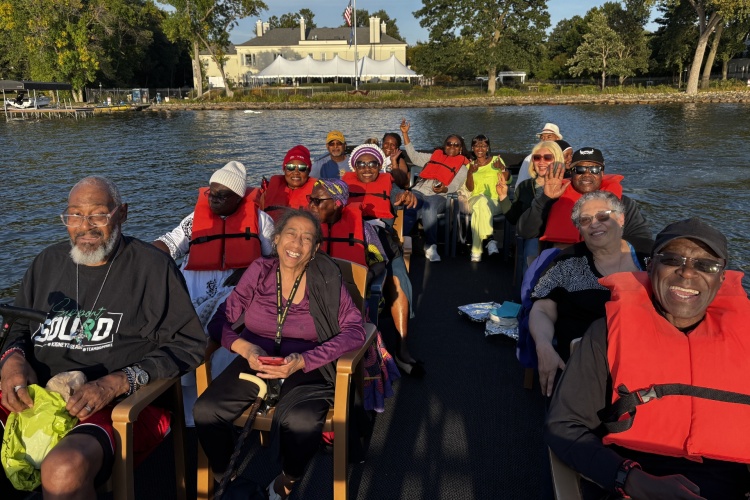
The Baobab Senior Circle program helps reduce the feelings of isolation, loneliness, and disconnection many African elders feel, especially after migration. The ElderConnect program, meanwhile, provides one-on-one support to community elders to help them better understand and access older adult services that can improve their well-being.
Both programs reflect the African Center for Community Development's deep commitment to community, culture, and dignity. By blending older adults from a wide variety of African nationalities and cultures, these programs create intercultural spaces that allow these older adults to feel seen, supported, and connected — all of which are essential to aging well in our community.
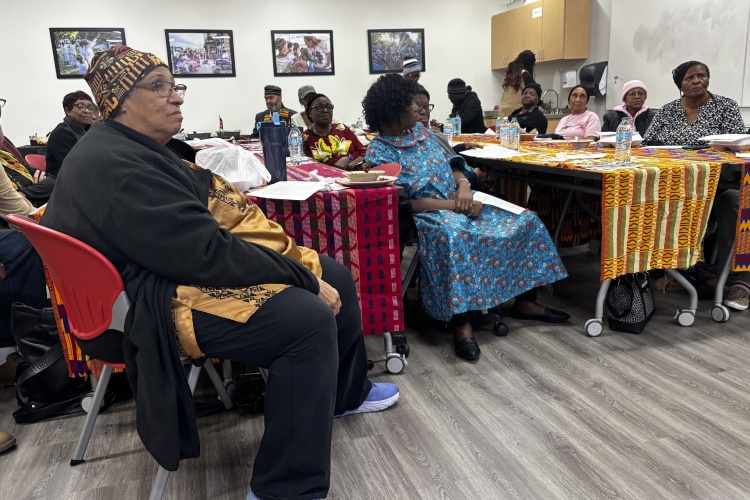
The African Center for Community Development says both families and adults have told them that these programs help them feel less isolated and more connected with their community through the various activities and group discussions, with the African Center serving as a second home for many of the immigrants and refugees in Madison and the Dane County area.
Being able to provide these programs means creating meaningful opportunities for individuals and families to improve their quality of life. At the African Center for Community Development, it is about more than just offering services, it is about empowering community members with the tools, knowledge, and support they need to thrive. For us, this work represents a chance to help bridge gaps in access to resources, whether that is education, employment pathways, or social support. It also means building trust within the community, fostering a sense of belonging, and ensuring that people feel seen, heard, and supported.
Henry Obeng, Housing and Operations Coordinator