
Addressing Chronic Homelessness with Housing Stability
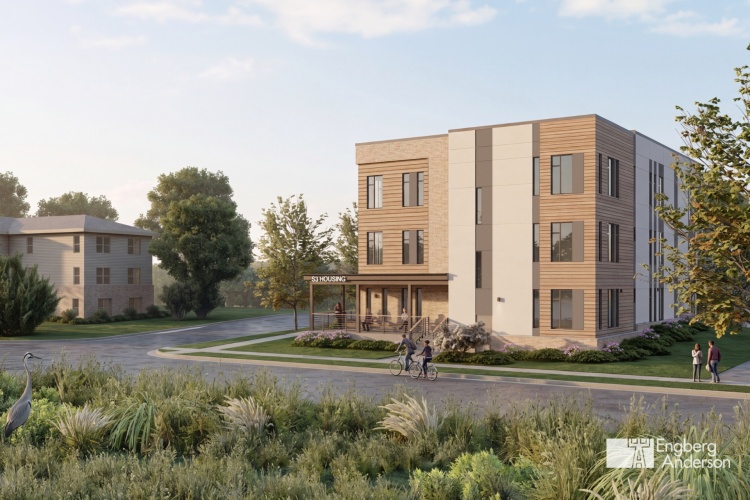
Rendering of the new Housing Initiatives development that will house people who have experienced chronic homelessness

There is no one cause of – or solution to – homelessness. Every person's experience is different, and making homelessness rare, brief and non-recurring is not just about providing a roof over someone's head, but also about helping address barriers standing in the way of housing security. 

Because everyone's story is unique, the most effective remedies involve a personalized approach that includes supportive services that help provide a stable environment.  

These services are especially important for community members experiencing chronic homelessness, meaning they have a disability and have been homeless for a year or more, or have experienced four periods of homelessness in the last three years that total 12 months. In this context, the U.S. Department of Housing and Urban Development (HUD) defines disability as a physical, mental, or emotional impairment – including drug or alcohol use disorders, post-traumatic stress disorders, a brain injury, or chronic illness – that substantially gets in the way of someone living independently. 

Chronic homelessness can be a difficult cycle to break once you find yourself in it. For example, someone living with a diagnosed mental health disorder may find that there are times when they cannot work as consistently as they once did. As a result, they may have an inconsistent income that can make it hard to pay their rent on time, or to get an application for an apartment accepted without proof of a steady income. If they did have an apartment but fell behind on rent, they may end up getting evicted. With an eviction on their record added to that lack of steady income, it becomes even harder to find a home they can afford or a landlord to accept them. They may then find themselves with nowhere to go, and the added stress of the situation is another negative impact on their mental health – making it even harder to keep a steady job and regain stability.  

Permanent supportive housing, which pairs a stable home with dedicated ongoing support, has proven to be one of the most effective ways at breaking that cycle. As the cost of living has increased, so has the need for these programs. The latest Coordinated Entry data from Dane County's Homeless Services Consortium shows there were approximately 317 individuals and 11 families enrolled in overnight shelter or street outreach programs that were experiencing chronic homelessness in July 2026. 

Community partners like Housing Initiatives, one of the organizations that provides permanent supportive housing in the Madison area, help address that need. For more than three decades, they have offered permanent homes and supportive services to get people out of homelessness and into a stable environment.

Our interface with the Coordinated Entry system means that we're plugged into a system that sends us some of the most vulnerable, unhoused people in all of Dane County. Our services start with the cornerstone of our program; we provide housing. And our policy is one that screens people in rather than finding reasons to screen them out.

Brad Hinkfuss, Executive Director, Housing Initiatives

Housing Initiatives has several supportive housing locations across Madison. Their latest development, located across the street from their existing offices on Roth Street, received a special allocation of HOME-ARP funds from the City of Madison through the Community Development Division's 2024 Affordable Rental Housing Development: Non-Tax Credit funding cycle. 

The City awarded a total of $3,056,197 to help build more than a dozen new homes paired with wraparound services for people in our community who have experienced some of the greatest barriers to stable housing. It also awarded another $2,020,000 to help fund two additional service positions to further support residents of Housing Initiative's existing portfolio.

Housing with support services allows people the opportunity to recover from homelessness and work towards their personal goals. This project allowed for 16 more households to stabilize and integrate into the community.

Torrie Kopp Mueller, Homeless Services Consortium Continuum of Care Coordinator 

Supportive services are important because people become homeless for complex and challenging reasons. We cannot just provide housing and expect them to succeed without addressing the underlying trauma that led to their homelessness in the first place.

Brad Hinkfuss, Executive Director, Housing Initiatives

The new homes will be specifically reserved for those making less than half of the Area Median Income, have a history of chronic homelessness, and have clinically diagnosed persistent mental health concerns. In 2026, half of Dane County's Area Median Income amounts to $47,400 for a single-person household.  

The impact of permanent supportive housing is significant. Many of the people Housing Initiatives works with are with them for the rest of their lives.

I would've been dead if it weren't for you guys. You gave me a whole new outlook on life. Hope. A more positive attitude. It's been everything to me, man.

Larry, Housing Initiatives resident

This is just one of the organizations helping provide Permanent Supportive Housing for those experiencing chronic homelessness in Madison and Dane County. The work is ongoing, but progress is being made: the Homeless Services Consortium reports approximately 30 individuals and 15 families being placed in Permanent Supportive Housing in the last year. 


The City of Madison's Community Development Division works every day to make sure everyone who lives in Madison thrives and reaches their highest potential. Funding from the Community Development Division supports hundreds of programs from partners across the city, but this support is more than a line item on a budget. It has real-life, everyday impacts for Madisonians.

To highlight some of those significant impacts Community Development funding has on our community, we will be sharing stories every month on the Community Development Division's website.

More Information and Resources

Was this page helpful to you? * required