
Common Code Violations
The City of Madison has a minimum housing ordinance. These are some of the common issues we find in rental units. This is a guide for tenants and housing providers.
Please note the Madison Fire Department handles all elevator inspections and complaints.
Common Issues
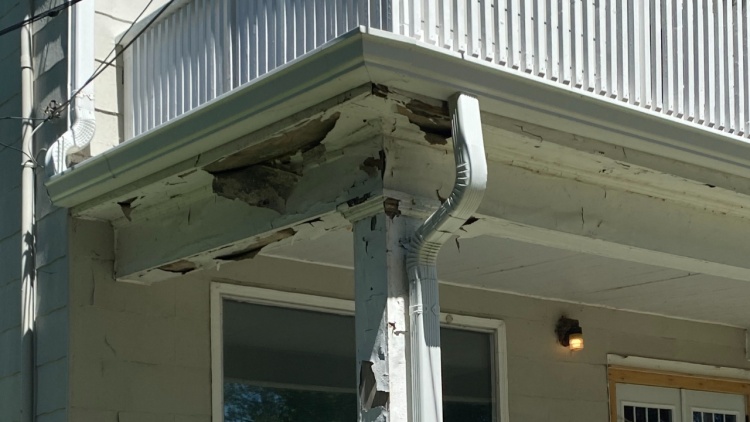
Exterior
- Large amounts of loose, peeling, or missing paint
- Damaged or missing bricks and/or mortar from chimneys or other masonry
- Detached or clogged gutters
- Leaking or deteriorating roofs
- Rotted or non-weather-tight siding, trim, windows, and doors
- Accumulated junk, trash, or debris
- Untrimmed trees or trees with dead wood
- Trash carts at the front of the property (outside of trash-pickup day)
- Broken-down vehicles in driveway
- Run down or broken fences, storage sheds, walkways, and other exterior structures
- Missing paint or pigment stain from wood structures/surfaces between a house and sidewalk
- Blocked public sidewalks next to the property
- Wooden structures or surfaces between the main building and the street not weather tight. Unpainted or untreated with pigmented stain
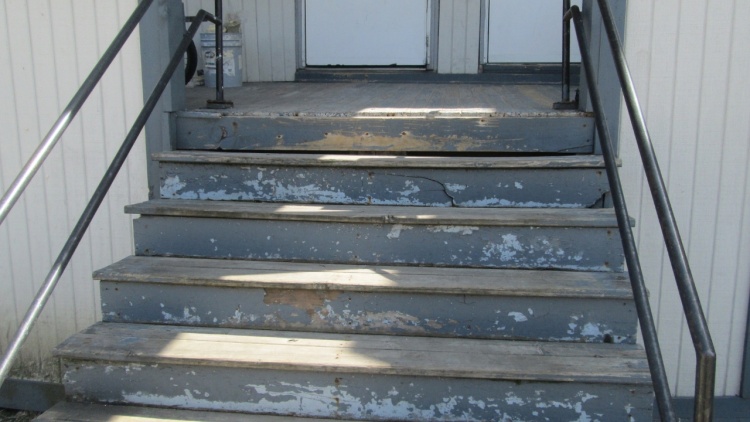
Stairs, porches, and balconies
- Missing handrail from stairs with more than three steps
- Uneven steps on stairs
- Rotting wood, crumbling construction, or other damage
- Stairs with open sides or other areas higher that 24" above grade without guardrails
- Loose or flimsy guardrails
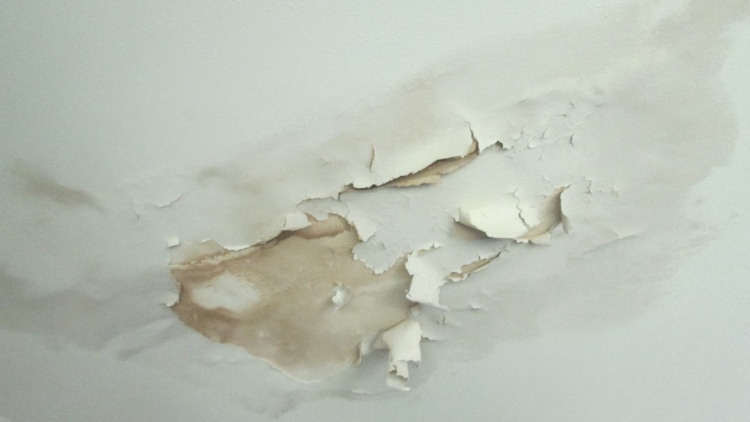
Interior
- Missing doorbells or intercom at the main door of a multi-unit building
- Holes, water damage, or peeling paint on walls, ceilings, and other surfaces
- Damaged floors, including trip hazards or floors with a hard-to-clean surface
- Broken or damaged stovetops, refrigerators, and appliances
- Run down cabinets/countertops in kitchens and bathrooms
- Missing a usable window or ventilation fan in the bathroom
- Broken or defective heating system (must keep a temperature of at least 67°F at all times)
- Heating systems without annual service or without missing records of service details
- Metal water piping systems improperly bonded around the water meter
- Unclean or cluttered common areas, including basements.
- Basements with items owned by previous tenants
- Basements, without two approved means of egress, used for sleeping purposes
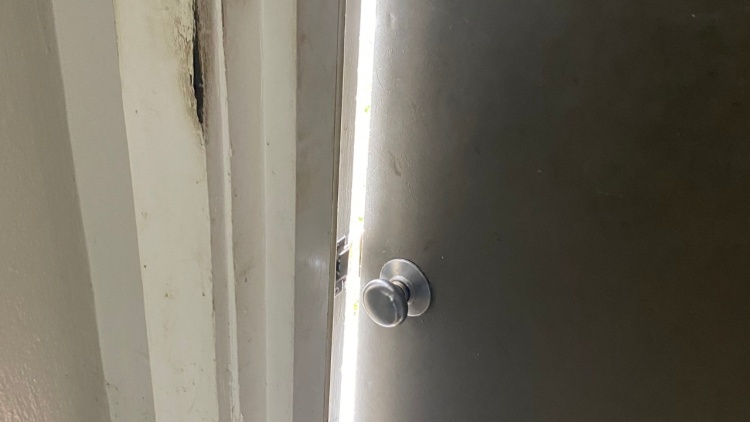
Doors
- Common area doors in a multi-unit building without a storeroom lock and a self-closer
- E.g. basement and laundry doors
- Storeroom locks are also called positive locking guarded latch locks
- These doors must close and lock automatically
- Dwelling unit doors missing a keyed, deadbolt lock
- The deadbolt must have at least a one-inch throw
- The strike plate must use screws at least 2.5 inches long
- Main unit door missing a door viewer (peephole), if the door has no window.
- Sliding doors missing a primary lock, part of the door assembly, or a secondary lock
- Sliding doors on the first-floor level (or accessible by a tree, balcony, fence, etc.) missing a vent lock
- Vent locks must secure the door in the open position between one to five inches open.
- Missing latching hardware and self-closers
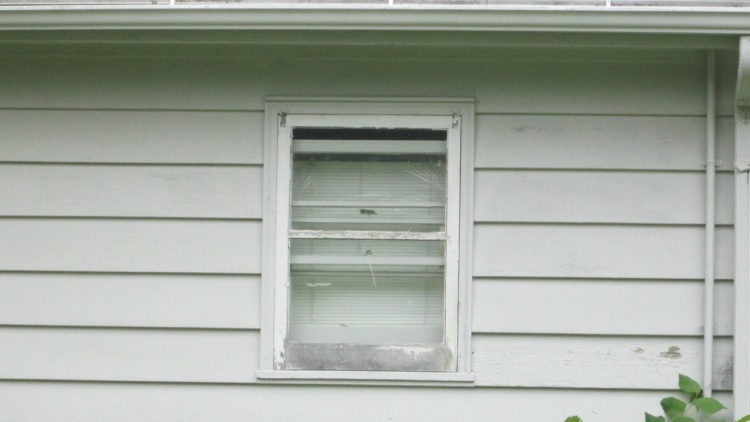
Windows
- All windows must
- Have properly working sash locks
- Open and close properly. The lower sashes of double hung windows must stay up when opened, without the use of a prop.
- Be free of broken or cracked glass.
- Be double-glazed (thermopane) or have storm windows from November 15 to April 30.
- Have properly fitting insect screens from June 1 to October 15. The screens must be in good repair.
- Windows must have vent locks if
- The window is at or below the first floor
- The window is within reach of porches, balconies, trees, etc.
- Vent locks must let each window lock to stay between one (1) to five (5) inches open
- The locks, when not in use, must let the window open fully from the inside

Smoke alarms
- Smoke alarms must be hardwired or tamperproof.
- Smoke alarms must be
- in every bedroom (or area used for sleeping)
- within six feet of the outside of bedroom entry doors
- on each floor level (including basements)
Carbon monoxide (CO) alarms
- CO alarms must be
- on every floor of every unit in one and two dwelling units
- within 15 feet of bedroom doors of any unit with a fuel burning appliance AND within any other room that has a fuel burning appliance in a building with 3 or more dwelling units smoke and carbon monoxide alarms
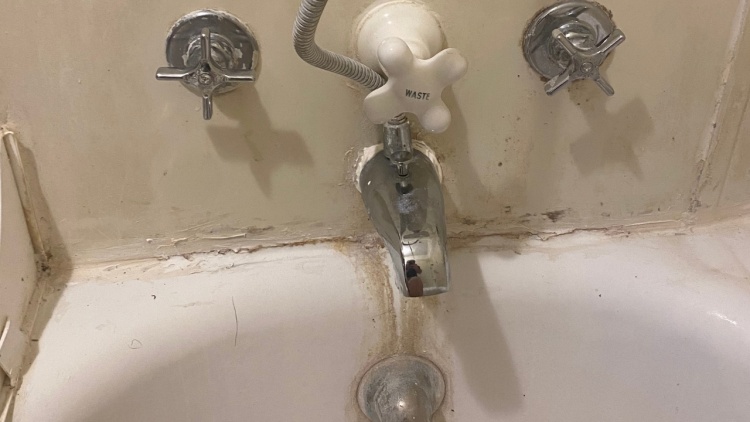
Plumbing
- Sinks, bathtubs, and showers without
- Adequate cold water
- Hot water of at least 120°F
- Plumbing fixtures not properly installed or leaking
- Plugged or slow drains
- Dishwasher drains missing a proper air gap
- Toilets not working properly or unsecured to the floor
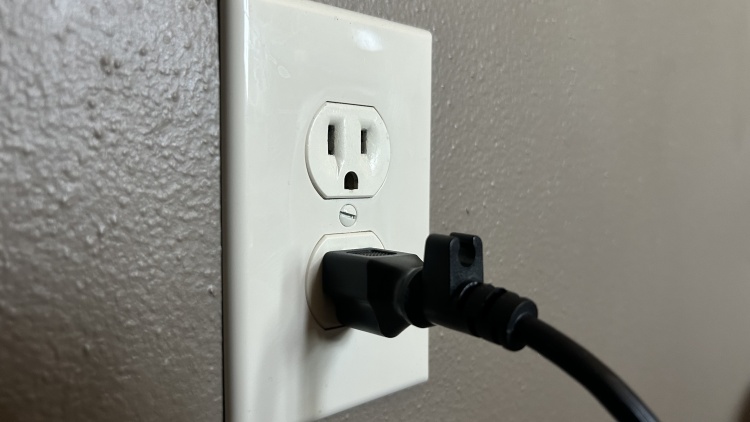
Electrical
- 3-prong electrical outlets improperly grounded
- Outlets missing GFCI protection located in
- kitchens
- bathrooms
- garages
- unfinished basements
- within 6 feet of a water source
- outside areas
- Missing or damaged cover plates
- Light fixtures not secured and improperly functioning
- Improperly installed garbage disposals
- Bathroom with fewer than one outlet
- Bedroom with fewer than two outlets
- Extension cords used as permanent wiring